Permanent outside lighting can look simple and easy once it is up. The tidy roofline, the cool color transitions, the absence of expansion cords snaking across the lawn, everything recommends a simple upgrade. The truth is much less forgiving. A permanent system sits outside through heat, wind, rainfall, chilly, dust, pollen, and the occasional ladder bump from rain gutter job. If it is mounted well, it will certainly execute for many years with really little focus. If it is installed carelessly, even a costs system can come to be an upkeep headache.
I have actually seen both results. One home had a stunning setup that still looked sharp numerous seasons later because the installer respected cable paths, secured connections correctly, and left service loopholes where they mattered. Another had lights that began falling short within months, not due to the fact that the LEDs were bad, however due to the fact that the electrical wiring was stretched tight, the power supply was undersized, and the clips were attached to unclean soffit panels in cold weather. The distinction was not luck. It was method.
Permanent LED Illumination Installment benefits patience and punishes shortcuts. If your objective is lasting efficiency, the details listed below matter greater than the majority of people expect.
Start with your house, not the lights
The initial mistake many individuals make is going shopping by color impacts before they recognize the structure the system has to live on. Rooflines differ greater than pictures recommend. Fascia boards can be unequal. Soffits might be aired vent light weight aluminum, fiber concrete, vinyl, timber, or compound. Gutters can conceal placing space or produce unpleasant decline factors. A light run that seems straightforward from the driveway may involve corners, downspouts, expansion joints, or areas that obtain straight afternoon sun for 6 months of the year.
Walk the full border before you select an installing method. Look for the useful problems. Where perseverance enter the system? Is there an external outlet on a dedicated circuit, or will a brand-new feed need to be added? Will the controller be protected however still available? Can the major cable path stay concealed without forcing sharp bends? Exist areas where snow glides off the roofing? Is the exterior siding old enough to be brittle?
Those inquiries are not glamorous, however they form the durability of the entire task. Long-term Vacation Lights are meant to lower hassle. If the installment disregards the building itself, the system becomes yet one more point to service every season.
Buy for electrical security, not just brightness
A great deal of LED failures are actually voltage and connection failures. The diode obtains blamed since it is what went dark, but the source commonly sits upstream. Excellent systems do not simply advertise lumen output or application attributes. They provide clear electric specs, weather-rated adapters, reasonable run lengths, and power shot assistance when the run gets long.
Brightness issues, but on a home outside, uniformity matters much more. If one area is crisp and another looks weak or tinted because of voltage drop, the eye notices right away. That is especially true with cozy white setups. Several property owners want a refined day-to-day appearance instead of a dazzling holiday display. If you are after Traditional Warm Soft Lights for year-round visual charm, voltage security ends up being even more important. Soft white exposes variance fast. Uneven shade temperature throughout the roofline makes a costs setup appearance cheap.
Pay attention to the motorist or power supply ranking, the cable gauge, the maximum supported pixel matter or component matter per run, and whether the controller can handle your designated layout without overwhelming channels. If the supplier gives a range instead of a solitary set number, regard the conventional end if your environment is harsh or your wire path consists of numerous edges and altitude changes.
The placing surface chooses the hardware
Adhesive-backed clips look appealing due to the fact that they assure rate and a tidy surface. In the field, they can be fine in slim use instances and frustrating in lots of others. Surface temperature level, dirt, oxidation, and dampness all impact bond strength. On older soffits, especially vented light weight aluminum or distinctive plastic, mechanical fastening normally gains glue alone.
That does not imply every installment must be filled with noticeable screws. It means the add-on approach ought to match the substratum. Wood fascia may approve a small corrosion-resistant bolt very well. Aluminum trim may ask for purpose-built tracks or clips that stay clear of distortion. Vinyl expands and agreements, so a too-rigid add-on approach can create stress points over time.
The cleanest long-lasting setups usually conceal the components a little under the sightline rather than putting them straight on the face of the trim. This safeguards the lights from some climate direct exposure and keeps the system very discreet when it is off. It likewise alters how the beam of light spreads out throughout the facade. A refined tuck under the soffit can develop a smoother clean and minimize the populated appearance that some homeowners dislike.
Placement is as vital as the product
A great installer thinks of sightlines from the street, from the front walk, and from inside your house. A run that is perfectly straight from ten feet away might look irregular from the visual if component spacing does not represent roofing system pitch and architectural breaks. Corners are where numerous installs lose their polish. If the spacing adjustments suddenly or the cable television bows exterior, the eye goes right to it.
The objective is not simply to get lights onto your home. The goal is to make them look deliberate in daylight and smooth during the night. That generally suggests test-fitting an area prior to devoting fully run. Buffoon up a few feet, step back, and check the visual rhythm. You might discover that a minor shift internal develops far better cover-up, or that a lower place point tosses a cleaner light pattern.
One information that usually gets forgotten is representation. White soffits, shiny trim, and neighboring windows can bounce more light than anticipated. An intense RGB setting may look lively on the application sneak peek but end up being extreme on the exterior. Property owners that want an irreversible system for both holidays and everyday usage usually end up using restrained white scenes a lot of the year. Preparation for that from the beginning results in better placement choices.
Water monitoring separates enduring installs from brief ones
Exterior lighting does not fail since it got rained on. It falls short because water located a means right into a weak point and remained there. Connectors hanging up and down without drip control, splices relaxing in debris-prone networks, controller boxes mounted where overflow accumulates, these are the problems that return later.
Every infiltration and every link requires a water plan. https://www.mrmhomeservices.com/our-services/classic-warm-soft-lights/kentfield/ If a cord gets in an unit, it should do so in a way that encourages water to drop away, not take a trip internal. If adapters are weather rated, deal with that score with regard rather than thinking it makes them undestroyable. O-rings need to seat properly. Threads have to be fully tightened. Surfaces should be tidy before securing. A percentage of caught grit can jeopardize an otherwise strong connection.
Drip loopholes are not exciting, however they function. So does avoiding reduced areas where wire can being in pooled water. So does giving the unit a little breathing space from the wettest component of the wall. In damp environments, condensation matters virtually as much as rain.
I when considered an unsuccessful section where the owner was persuaded the lights were faulty. The actual problem was a controller box installed straight underneath a roof valley where overflow hammered it throughout tornados. Package itself was ranked for exterior usage, however the installation place invited trouble. Moving it a few feet to a much more sheltered area addressed the problem.
Leave slack where solution will eventually happen
Tight cable runs appearance cool on mount day. They likewise placed pressure on adapters, corners, and clips as your home moves through seasonal growth and tightening. A little handled slack, specifically near discontinuations, edges, power injection points, and controller connections, gives the system a better possibility of surviving both weather and future service.
This does not indicate loosened loopholes sagging into view. It means thoughtful solution allowance. A specialist needs to have the ability to replace an unsuccessful component or remake a link without requiring to reconstruct an entire section. If the cable is cut to specific stress everywhere, one tiny fixing can end up being a large one.
The very same principle relates to the controller location. Mount it where a person can access it without balancings. Someday, firmware may need updating, a fuse might require checking, or a link might require reseating. Hidden is excellent. Unreachable is not.
Power planning is worthy of even more interest than it gets
Undersized power is one of one of the most usual reasons permanent systems behave unpredictably. You may see dimming towards the back of a run, color shift on intense scenes, arbitrary flicker, or resets when the system attempts to display high-demand patterns. This worsens in long terms and in chillier conditions when electrical parts can behave differently under load.
A sound plan represent total fixture matter, wire size, voltage decrease, startup habits, and scene use. A property owner might state, honestly, that they generally desire warm white at moderate illumination. The installer still needs to develop for periodic full-output usage if the system uses it. Otherwise the setup just functions well within a slim operating window.
Here are the power considerations that frequently shield long-lasting efficiency:
Size the power supply with clearance rather than to the exact computed load. Keep wire runs within the maker's suggested restrictions and make use of power shot when required. Match cable scale to distance and current demand, not simply to what is simple to source. Put controllers and power materials on a secure, secured circuit with surge protection where appropriate. Label feeds and discontinuations so future solution does not end up being guesswork.That percentage of self-control conserves a lot of fixing later.
Heat and sunlight silently reduce system life
People generally bother with freezing temperature levels, yet maintained heat and UV exposure can be equally as penalizing. South- and west-facing sections frequently age in different ways from shaded elevations. Plastics come to be breakable. Adhesives weaken. Cable television coats dry faster. Units mounted in straight sunlight can run hotter than anticipated, specifically if they are dark tinted and securely sealed without consideration for thermal buildup.
If your home has one elevation that takes harsh afternoon sunlight, utilize that details. It may justify updated materials, a different placing technique, or a controller area out of straight exposure. The very same home can have very various problems from front to back.

This is another reason to prevent the most inexpensive device parts. The LEDs may be acceptable, but clips, cable coats, gaskets, and housings commonly reveal where prices were reduced. An irreversible exterior system is not the place to conserve a couple of bucks on the parts that manage the weather.
Don't ignore development, motion, and routine home maintenance
Houses relocate. Gutters obtain cleansed. Painters appear. Roofing contractors drag tubes and debris. Siding expands in summertime and contracts in winter. If the lights layout does not permit normal structure life, the lights will eventually shed that fight.
A useful setup prevents obvious dispute zones. Keep cable televisions clear of locations where rain gutter tools will certainly grab them. Do not obstruct accessibility to bolts that future professionals might need. Stay clear of pinching wire under trim items that are most likely to be eliminated later on. If a roofing system replacement might take place within a few years, talk through that now as opposed to after the lights are up.
One of the most effective routines is documenting the setup with images before whatever mixes right into the exterior. Capture controller locations, concealed cable paths, splice points, and power feed courses. Months later, those images can conserve an hour of exploratory disassembly.
Color option influences exactly how the system gets used
Many customers originally concentrate on computer animated color scenes, which makes good sense. It is part of the allure. But many long-term systems invest the majority of their life on moderate setups or turned off. That is why house owners that focus on day-to-day curb appeal commonly incline warm white programs over flashy patterns.
Classic Cozy Soft Lights have staying power since they flatter most outsides. Brick, stone, painted trim, and warm-toned house siding all tend to respond well to that scheme. It feels architectural rather than seasonal. If that is your main usage situation, review it prior to the install. Fixture spacing, brightness calibration, and placement deepness can all be tuned toward a cleaner warm-white presentation.
Permanent Holiday Lights should be versatile, yet convenience functions best when the foundation is refined. A system that looks classy on a quiet Tuesday night will still can doing something festive in December. The reverse is not always true.
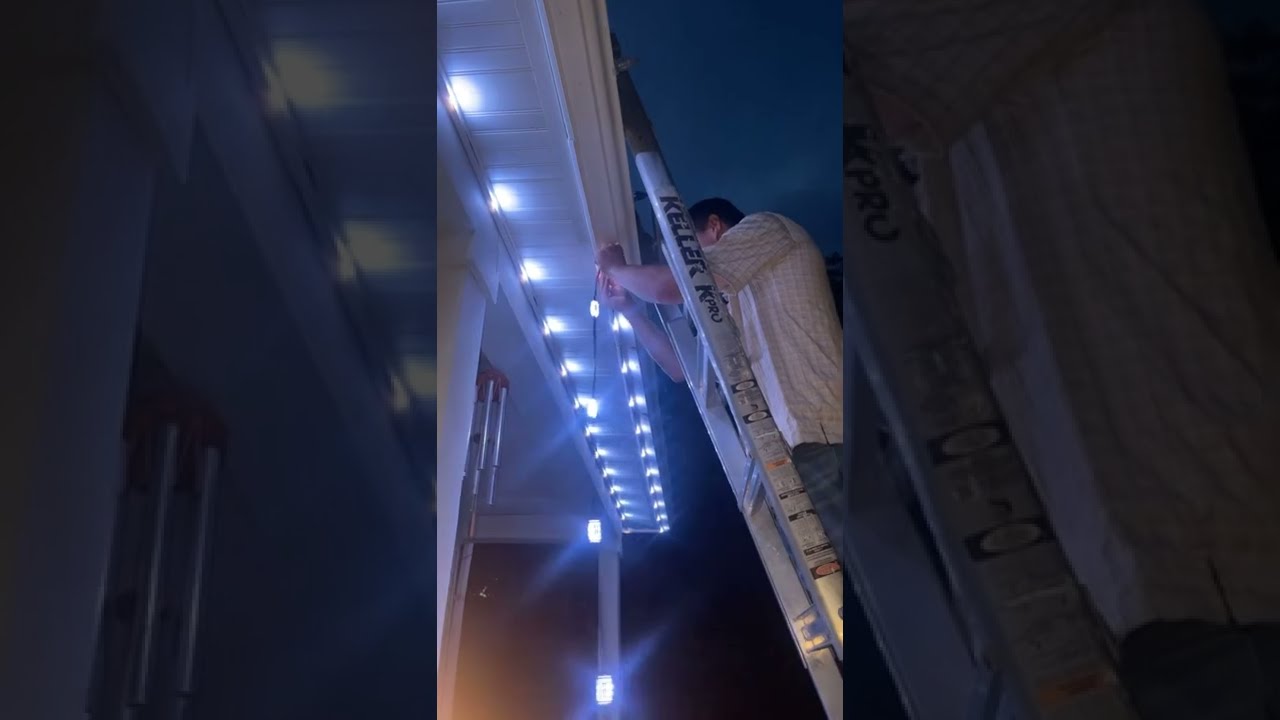
Plan for solution prior to you require service
No outdoor lights system is completely upkeep complimentary. That expression gets made use of too loosely. Reduced maintenance is reasonable. No maintenance is not. Even a solid installation benefits from routine evaluation. Fortunately is that the list is brief if the original work was done well.
A sensible maintenance routine usually includes the following:
- Inspect noticeable clips, tracks, and bolts one or two times a year Check rooms and ports after severe storms Remove debris accumulation around controller boxes and cord pathways Test representative scenes at full illumination periodically, not simply low white settings Update controller software program just when the maker clearly recommends it
Those 5 actions catch most concerns before they become annoying.
The install day details that matter more than individuals think
Weather on set up day impacts outcomes. Adhesives and sealers act differently in cold or wet conditions. Dust from neighboring cutting can contaminate bonding surface areas. Rushing to defeat sunset tends to create negative edge job and inadequately clothed cable television. If problems are incorrect, the expert relocation is frequently to hold off a part of the job rather than pressure it.
Surface preparation likewise should have more regard. Clean means actually clean, not simply visually acceptable from a ladder. Milky oxidation, pollen film, and fine grit all lower adhesion and compromise sealing. On some exteriors, a correct wipe-down modifications everything.
Then there is fastening technique. Overdriving a tiny screw can split plastic installing components or distort slim trim. Underdriving leaves motion that intensifies with wind. The installer's touch issues below more than the instruction sheet.
I have additionally discovered to be hesitant of "hidden enough" cord management. If you can see a cable from one angle today, you will keep seeing it permanently. Small adjustments during installation are affordable. Dealing with them is not.
When do it yourself can function, and when it possibly must not
Some property owners are completely capable of installing their own system, especially on a one-story home with basic rooflines, available power, and a solid understanding of low-voltage or line-powered accessory systems. Persistence and planning can produce a really reputable result.
The risk increases swiftly when the home has numerous degrees, long complicated runs, custom control zones, or any kind of uncertainty around power supply sizing and weatherproofing. High ladders transform the equation. So do unusual surfaces and surprise drainage concerns. If you are unsure whether you are making the system correctly, that unpredictability itself is useful information.
Professional installment is not nearly obtaining it done faster. It typically implies less visible compromises, far better cable routing, and a more reliable electric design. The value comes to be apparent a year or 2 later on, when the system is still functioning easily via warm front, winter weather, and holiday use.
What long-lasting efficiency in fact looks like
An effective Permanent LED Illumination Installment is usually silent. The lights respond when asked, remain off when not required, and do not promote their equipment. The shade remains regular across the run. Warm white appearances cozy white, not cream on one side and light blue on the various other. The controller remains completely dry. The cord does not sag. Service gain access to exists, but it remains concealed from everyday view.
That degree of performance is not mystical. It comes from matching the equipment to your home, intending electric lots with margin, installing thoughtfully, protecting every connection from water, and valuing the fact that exterior systems live hard lives.
Permanent Holiday Lights are among those upgrades that can feel elegant when they are done right. They can additionally seem like a problem when corners obtain reduced. The installer's technique, greater than the sales pamphlet, figures out which variation you end up with. If you come close to the task with persistence and focus to the much less attractive details, the benefit is a system that looks sharp every year, whether it is glowing with Timeless Cozy Soft Lights on a common night or bring the full shade of a holiday display.